
Every child has their own voice. Let’s discover it together.
Personalised assessment and therapy for language, speech and communication — in a warm, safe space where progress grows through play.
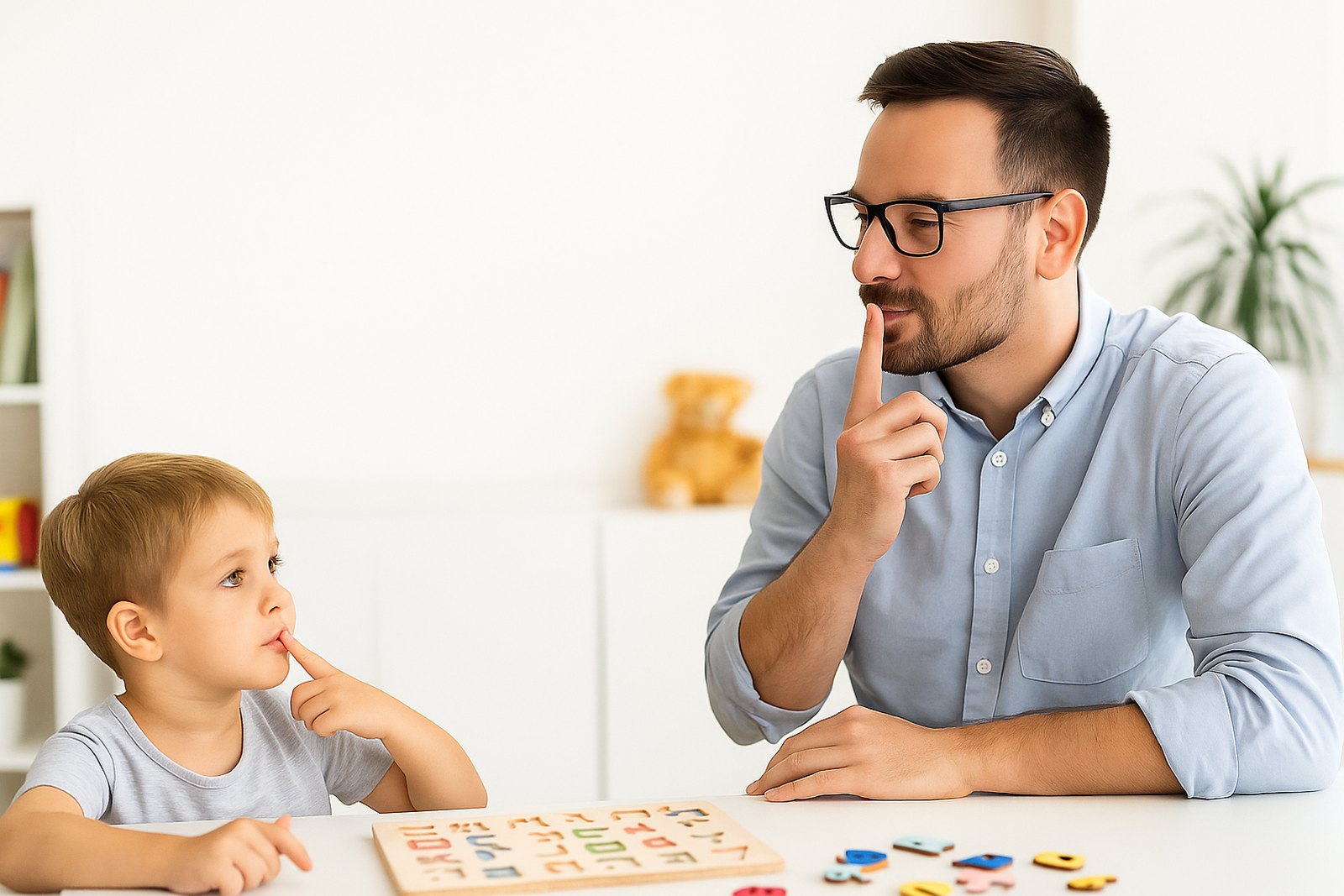
Worried about your child’s speech?
It’s completely natural to have questions. An early assessment makes the difference — and often the greatest relief is simply knowing where you stand.
Every child develops at their own pace. If something is on your mind, let’s look at it together.
See frequently asked questionsWhen it’s worth asking a specialist
- At 18 months, still isn’t saying words
- At 2–3 years, isn’t forming simple phrases
- At 4 years, is hard for people outside the family to understand
- Stutters, or omits or mixes up sounds
This list is indicative — it doesn’t replace an individual assessment.
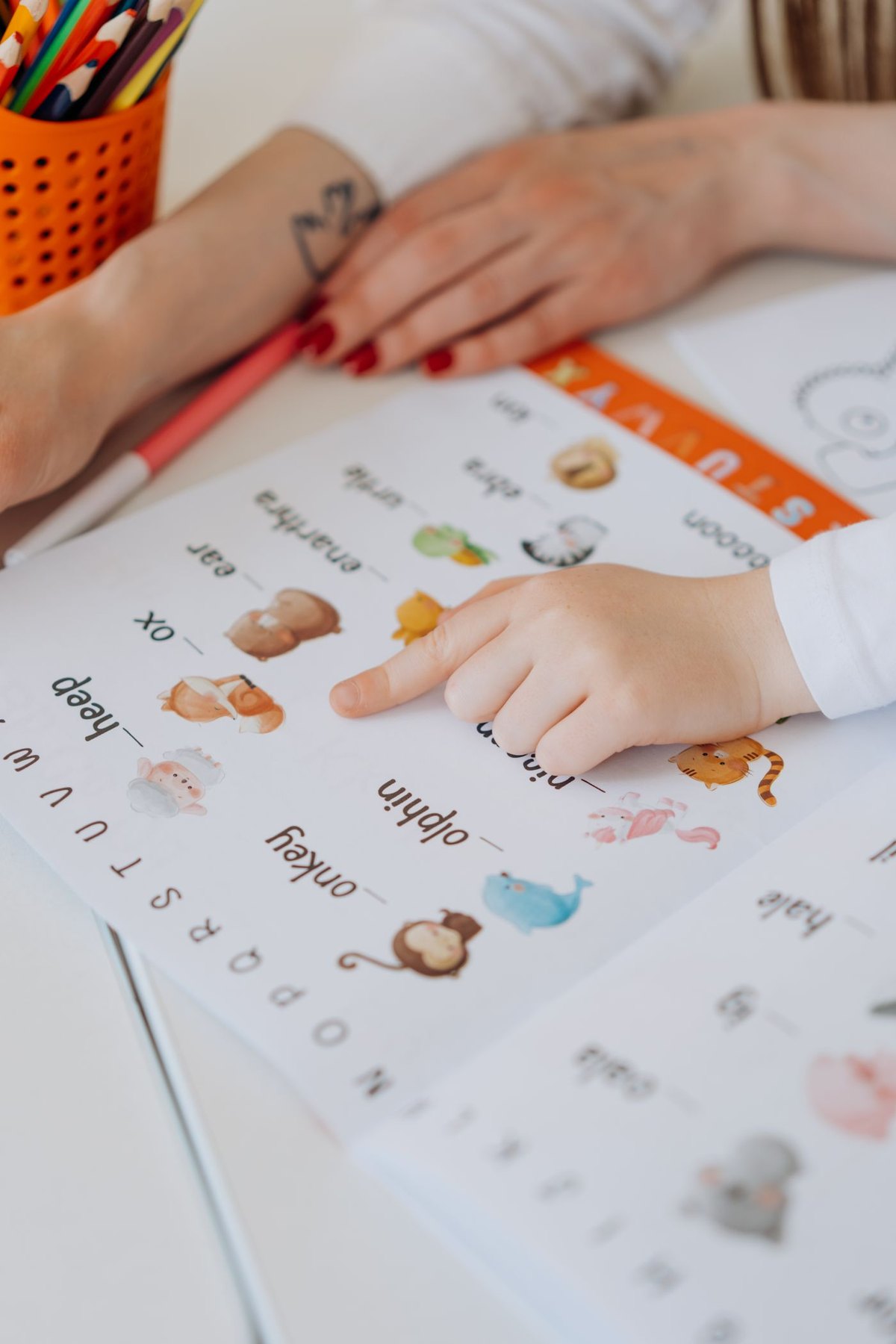
The child, always at the centre
I work on the assessment and therapeutic support of children with language and communication difficulties. I see each child not just as a client, but as a unique person with their own needs, feelings and potential.
Services
Language disorders
Difficulties understanding or expressing language (expressive & receptive language, developmental language disorder).
Speech disorders
Articulation, dysarthria, apraxia — when the sounds don’t come out the way we’d like.
Fluency disorders
Stuttering and cluttering — for more comfortable, flowing speech.
Communication on the autism spectrum
Strengthening social and verbal communication, with respect for the child’s own pace.
Chewing & swallowing
Dysphagia in infants, children and adults, with safe, gradual techniques.
Developmental disorders
Support for syndromes and intellectual disability, tailored to each child.
How we start
A clear, stress-free path — from the first conversation to regular sessions.
First contact
A short conversation so I understand what’s concerning you.
Assessment
A thorough evaluation of your child’s speech and communication.
Personalised plan
Goals and methods tailored to your child.
Therapy through play
Regular sessions, with the family alongside every step.
Parents’ questions, in plain words
When should I worry about my child’s speech?
Some indicative signs: not saying words at 18 months, not forming simple phrases at 2–3 years, or not being understood by strangers at 4 years. If they stutter, or omit or mix up sounds — or if you’re simply worried — an assessment is worthwhile. Early intervention makes the most of the brain’s plasticity in the first years.
If they’re not talking yet, should we wait or start now?
Waiting rarely helps. “They’ll grow out of it” risks losing valuable intervention time. An assessment doesn’t necessarily mean therapy — it gives you a clear picture and peace of mind. And if support is needed, the earlier we start, the better the results.
Does being multilingual delay speech?
No. Multilingualism doesn’t cause delay, and mixing languages in the early years is normal. If there is a real delay, it shows up in both languages and is due to other factors — not bilingualism.
Let’s support your child together
Fill in the form or call me to arrange an appointment. I’m here for any question.
Book an assessment